Setting the Standard
 >
>
>
>
Navigating Sustainability Together


Once again, 2025 was a year of transition and renewed focus, one that has underscored the importance of strong governance, collaboration, and our shared commitment to responsible seafood. We are grateful for the strength and partnership of the GSSI community during this time.
Throughout this year, GSSI has remained firmly anchored in its mission to provide confidence, clarity and choice in seafood certification. Thanks to the dedication of our Secretariat, Steering Board, and partners across the value chain, we continued to deliver against our mandate with professionalism and integrity.
We were pleased to welcome four new partners into the GSSI network this year, further strengthening our multi-stakeholder platform and reinforcing the value of pre-competitive collaboration.
Benchmarking remains the heart of our work. In 2025, we continued monitoring the alignment of recognised schemes, ensuring that credibility and robustness remain central to the GSSI framework. The new partnership with MarinTrust represents another important step toward broader engagement and visibility across the seafood supply chain.
Beyond benchmarking, GSSI's voice has remained active in global dialogue. From moderating discussions at international forums, spanning from Colombia to Boston, Norway, and Spain, to delivering observer statements and actively engaging in leading sustainability platforms, we have continued to champion transparency and inclusive solutions. Our commissioned research on Animal Health & Welfare in Aquaculture, alongside ongoing engagement in FAO processes, reflects our commitment to addressing emerging issues with rigor and thought leadership.
We were also proud to convene and co-host events that brought stakeholders together around critical topics including blue foods, public perception, data, and leadership. These conversations reaffirm the importance of trusted tools and aligned approaches in navigating an increasingly complex sustainability landscape.
As Co-Chairs, we are especially grateful for the steady dedication of the GSSI team and the constructive guidance of our governance bodies this past year. Their commitment has ensured continuity, upheld our standards, and positioned GSSI for its next chapter.
Looking ahead, our focus remains clear: to safeguard the integrity of benchmarking, to foster alignment and efficiency across the system, and to support a seafood sector that is increasingly transparent, responsible, and resilient. Thank you to our partners, recognized schemes, and stakeholders for your continued trust and collaboration. Together, we are building the foundations for a more sustainable future for seafood.
Let's keep moving forward.


“Sustainability is rooted in trust, transparency, and collaboration and guaranteed through multi-level traceability. As a Funding Partner of GSSI, we reaffirm our commitment to the highest sustainability, traceability, and social responsibility standards and rely significantly on GSSI’s benchmarking. Its relationship with SSCI touches another of our core interests – social responsibility. This partnership enables us to drive meaningful progress in responsible sourcing by working with GSSI to continuously evolve the benchmarks to continue to be both relevant and challenging and beneficial to all stakeholders from one end of the supply chain to the other.”Renee PerryVice President, CSR & ESG
“At Aquanaria, sustainability and excellence go hand in hand at every stage of our production. Joining GSSI strengthens our dedication to the highest international standards in aquaculture, ensuring that our sea bass are not only of the finest quality but also responsibly produced. This partnership allows us to collaborate with industry leaders, share best practices, and actively contribute to transparency and sustainability in the seafood sector.”Pedro SánchezCommercial Director
“We are delighted that MarinTrust is joining GSSI as an Affiliated Partner. I have no doubt that MarinTrust’s deep knowledge of the marine ingredient value chain will greatly complement GSSI’s scope and serve as the bridge linking fisheries and aquaculture. I expect this partnership to support MarinTrust’s efforts to increase the availability of certified marine ingredients by utilizing GSSI-recognised schemes.”Francisco AldonCEO

“Partnering with GSSI is a key step in strengthening the integrity of our industry. As we keep improving our sustainable practices, GSSI offers a trusted benchmark that helps guide us and empowers our customers to make informed choices. GSSI’s work to standardize and push seafood sustainability forward is invaluable to the whole supply chain, and we’re excited to be part of that journey.”Rich RiggsCo-Founder
GSSI Global Partner Network

Check out our latest Episodes!
GSSI shines a light on the change-makers of the industry through our Spotlight Series, to accelerate the push for more sustainable seafood.


Mowi's Commitment to Sustainable Global Aquaculture with Catarina Martins.
Read it here
With Phoebe Dowling, Director of Global Food Sustainability at Simplot.
Read it here

In 2025, five certification schemes completed our Monitoring of Continued Alignment (MOCA) process under the Global Benchmark Tool v2.0. This annual review confirms that each scheme continues to meet all Essential Components, demonstrating ongoing alignment with internationally recognised best practice and FAO-based guidelines for responsible fisheries and aquaculture certification.
Each of these schemes underwent rigorous independent review to verify that governance, operational procedures and certification standards continue to meet GSSI's criteria, reinforcing market confidence in their credibility and the integrity of certified seafood. The remaining recognized schemes will be carrying out the MOCA process in 2026.
Responsible Fisheries Management Fisheries Standard v2.2 continues to align with GSSI Global Benchmark Tool v2.0.

Aquaculture Management Standard (v2.0, 2022) and Fisheries Management Standard (v2.0, 2018) remain aligned with GSSI Global Benchmark Tool v2.0.
ASC Salmon Standard (v1.4) and ASC Shrimp Standard (v1.3) continue alignment with all GSSI Essential Components.
MSC Fisheries Standard (v2.0) continues alignment with all GSSI Essential Components.
Fisheries Management Standard v2.1 remains recognised by GSSI under the Global Benchmark Tool v2.0.
In 2025, GSSI strengthened its impact across the marine ingredients value chain through a key alignment with MarinTrust. As of August 2025, fisheries certified under standards benchmarked by the GSSI Global Benchmark Tool now automatically satisfy the fishery assessment pre-requisite of MarinTrust's Whole Fish Fisheries Criteria Version 3. This first-of-its-kind recognition eliminates duplicate assessments, simplifies certification pathways for small pelagics fisheries, and enhances supply chain efficiency, all while maintaining robust assurance standards. This milestone underscores GSSI's role as a trusted benchmark framework and reflects our ongoing commitment to supporting credible, responsible sourcing across seafood and feed value chains.
“We are pleased that the Global Sustainable Seafood Initiative (GSSI) has achieved the recognition. GSSI is the first benchmark tool MarinTrust recognises in this way. This fruitful collaboration will help reduce duplication, increase availability of approved raw material sources and ultimately increase the availability of certified marine ingredients.”Laura CourageAssurance and Risk Manager at MarinTrust

Woolworths is a global leader in responsible retail. How can the sustainable seafood movement, and GSSI in particular, keep driving progress in seafood sustainability?

Chief Technology and Sustainability Officer, Woolworths Foods, Woolworths South Africa
For more than 20 years, seafood certification has shown how markets can drive real environmental change. Retailer commitments, strong certification schemes, NGO advocacy, and benchmarking initiatives have helped move seafood sustainability from a niche concern to a mainstream expectation. Since 2000, we've seen clear improvements in fisheries management, aquaculture practices, and supply chain transparency.
This progress should be recognised. Market-based reform works. It remains one of the core strengths of the sustainable seafood movement.
The movement is now entering a more complex phase. The toughest challenges left, including fair resource allocation, inclusion of small-scale producers, human rights, and climate resilience, are less technical and more political. They raise issues of equity, sovereignty, and shared responsibility that certification alone was never designed to solve. At the same time, growing fragmentation between NGOs and industry risks weakening our collective influence just when alignment matters most.
Maintaining momentum therefore requires evolution: from market transformation alone toward system alignment, coherence, and collective influence.
Against this backdrop, GSSI is uniquely positioned to lead the next era of seafood sustainability and create systemic change. As a neutral, multi-stakeholder platform focused on benchmarking and equivalency, GSSI provides the shared language, credibility framework, and governance structure necessary to maintain trust and unify diverse actors across the value chain.
By expanding its benchmarking lens, for example, by including retailer procurement policies, GSSI can better align producers, markets, and civil society. In doing so, it can help keep the sustainable seafood movement coherent, credible, and ready to address the more complex political and systemic challenges shaping its future.
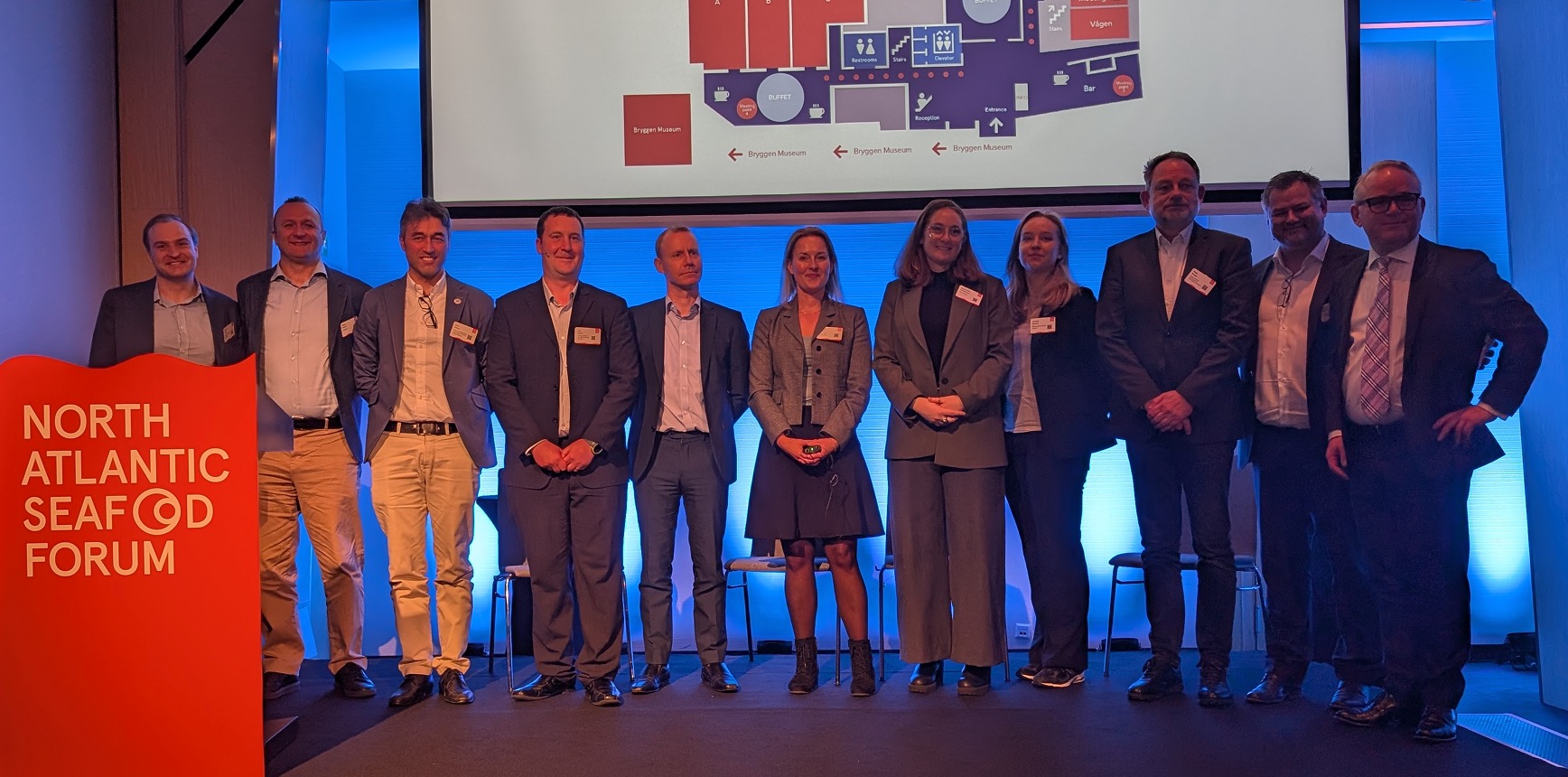
GSSI was proud to host the Sustainability Summit at the North Atlantic Seafood Forum, convening experts from across the value chain to explore the future of blue foods. Discussions focused on public perception, the importance of data and transparency, and the leadership needed to advance a responsible seafood sector. The dialogue reinforced a clear message: collaboration and innovation remain central to delivering measurable progress in seafood sustainability.
In connection with Seafood Expo North America, GSSI co-hosted a reception alongside GDST and convened its annual Steering Board meeting. These engagements provided an important platform for exchange with partners, recognized schemes, and stakeholders, fostering alignment on shared priorities and strengthening relationships across the responsible seafood community.

During the Seafood Expo Global, we had the opportunity to meet with our GSSI Partners and recognized schemes, strengthening collaboration and alignment on our shared goals.
Together with the Consumer Goods Forum, GSSI launched a Seafood Social Responsibility Technical Working Group. More than 15 organizations, including certification bodies, manufacturers, and NGOs, came together to identify solutions to mitigate risks and strengthen working conditions and ethical business practices across seafood supply chains, both at sea and ashore.

At the GSSG Galicia Forum in Vigo, GSSI moderated an NGO roundtable exploring how civil society defines sustainability, aligns efforts with certification schemes, and leverages next-generation tools to accelerate progress toward a more responsible seafood sector.

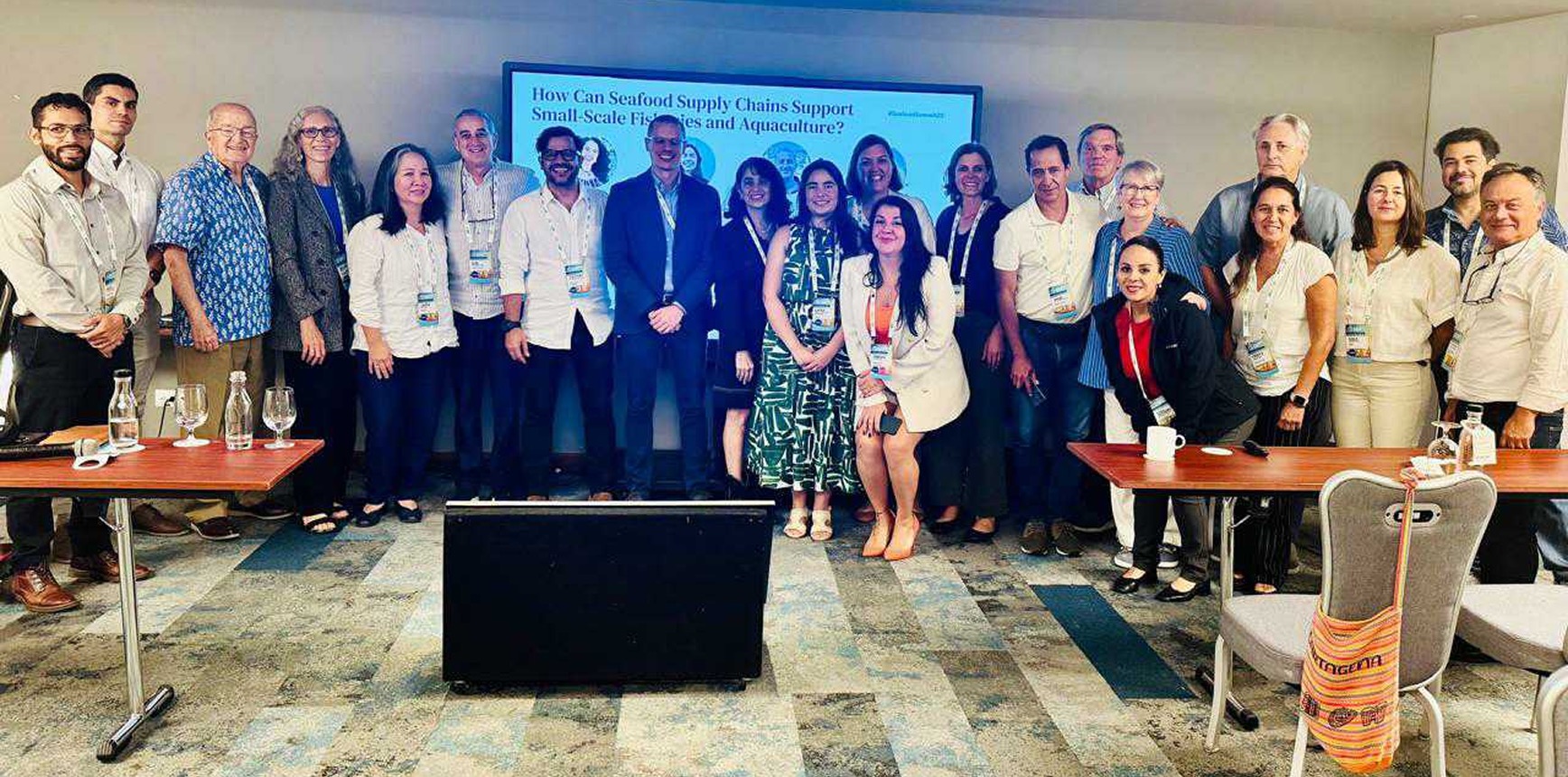
At the Responsible Seafood Summit in Cartagena, GSSI contributed to a panel on strengthening support for small-scale fisheries and aquaculture. The discussion highlighted practical examples, from community-focused producers to market access initiatives, demonstrating both the challenges and innovation present in this space. GSSI underscored the role of its Global Benchmark Tool and Seafood MAP in driving transparency and comparability, while emphasizing the need for more coordinated and tangible action to support small-scale producers in global supply chains.
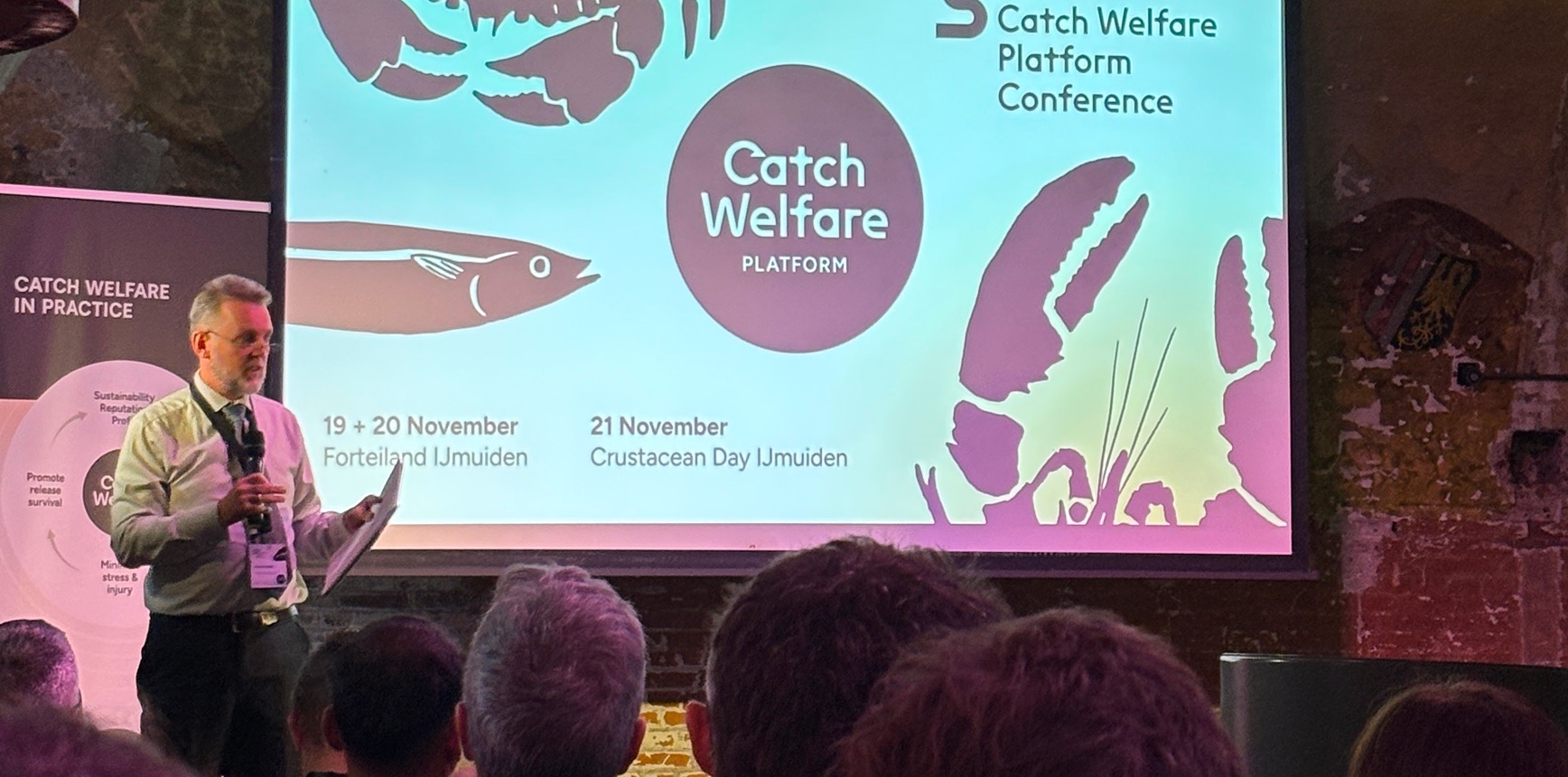
GSSI participated in the 3rd Catch Welfare Platform Conference in IJmuiden, where scientists, regulators, buyers, and producers gathered to advance catch welfare practices. Discussions emphasized how improved welfare standards can enhance both fish wellbeing and product quality, and highlighted the importance of continued research and innovation.
As an observer to the FAO Committee on Fisheries Sub-Committee on Fish Trade (COFI:FT), GSSI submitted statements reflecting the perspectives of its partners. The Sub-Committee provides a global forum to address the technical and economic dimensions of international fish trade, from production to consumption, and GSSI's participation ensures that private sector insights contribute to intergovernmental dialogue on sustainable seafood trade.
Across GSSI's engagements this year, three clear themes consistently emerged:

Collaboration was central to progress. From the Sustainability Summit at the North Atlantic Seafood Forum to the launch of the Seafood Social Responsibility Technical Working Group with the Consumer Goods Forum, stakeholders across industry, civil society, and certification bodies aligned on shared solutions to advance responsible seafood systems.

Inclusion, particularly of small-scale producers and diverse stakeholder voices, was highlighted at the Responsible Seafood Summit and in GSSI's observer contributions to the FAO Committee on Fisheries Sub-Committee on Fish Trade, reinforcing the importance of ensuring global policy and market frameworks reflect on-the-ground realities.

Data, transparency, and welfare also surfaced repeatedly, from discussions on credibility and public trust to science-based advancements presented at the Catch Welfare Platform Conference. Together, these themes underscore GSSI's commitment to collaborative, inclusive, and evidence-based approaches to strengthening seafood sustainability worldwide.


In partnership with the Food and Agriculture Organization of the United Nations (FAO), GSSI recently contributed to a global study examining the role of ecolabelling and certification in supporting small-scale fisheries and aquaculture. The study provides high-level insights into how market-based tools can better reflect the realities of small-scale producers and help strengthen sustainable and inclusive aquatic food systems.
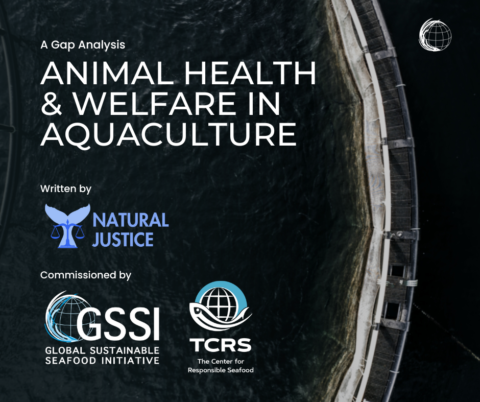
GSSI, in collaboration with The Center for Responsible Seafood (TCRS), commissioned Natural Justice to develop Animal Health & Welfare in Aquaculture – Gap Analysis. The report provides a comprehensive review of aquatic animal welfare considerations across shrimp, salmon, and tilapia farming, identifying current practices and areas for further alignment and improvement.

In an opinion article published in Industrias Pesqueras, Laura Del Castillo Munera highlighted the need for deeper collaboration to achieve meaningful transformation in fisheries and aquaculture. The article underscored that long-term sustainability depends on building stronger connections between the public and private sectors, large and small operators, and local communities and global markets.


As GSSI moves into 2026, our focus is on reinforcing credibility while responding to the evolving sustainability landscape. Expectations across the seafood sector continue to expand, with growing attention to animal welfare, social responsibility, feed impacts, traceability, and climate resilience. Addressing these interconnected priorities will be central to our work in the year ahead.
GSSI will continue refining its Framework to reflect emerging risks and market expectations, while safeguarding the rigor and neutrality that underpin trust in its work. Particular emphasis will be placed on strengthening assurance, enhancing technical capacity, and ensuring clear, transparent governance processes that maintain confidence among stakeholders.
In an increasingly complex sustainability environment, stakeholders are seeking greater clarity, interoperability, and reduced duplication. GSSI will advance alignment efforts and improve how its tools and insights support practical decision-making for retailers, producers, schemes, and partners worldwide.
Insights from a stakeholder interview study conducted in 2026 will help inform priorities and communication in 2026. Stakeholders can expect clearer articulation of GSSI's role, more proactive engagement, and structured opportunities to contribute to shaping the organization's forward direction.
Through these efforts, GSSI will continue to strengthen its contribution to a more transparent, resilient, and trusted global seafood system.
Thank you for being part of this journey so far and let's see how far we can take sustainable seafood!